
The Media Revolution: From Storytelling to World-Building
The era of traditional broadcasting and linear content is being replaced by a new, interactive reality. In 2026, being “creative” isn’t enough—you must be a Spatial Storyteller. As AI, AR, and VR move from the fringe to the core of global entertainment, the most successful careers will be found at the intersection of human imagination and immersive technology.
Emerging Frontiers in Digital Expression
At Guide2Career.com, we help students navigate the high-growth roles where “making art” meets “making reality”:
- Immersive Experience Developers (AR/VR/XR): Beyond gaming, these creators are building the “Metaverse”—virtual worlds for concerts, education, and global fan gatherings. They specialize in spatial computing and real-time rendering using engines like Unity and Unreal.
- Generative AI Content Designers: Traditional graphic design and video editing are evolving. The new leaders are “Creative Engineers” who use AI to generate real-time dialogue, dynamic storylines that change based on viewer reactions, and complex VFX in a fraction of the time.
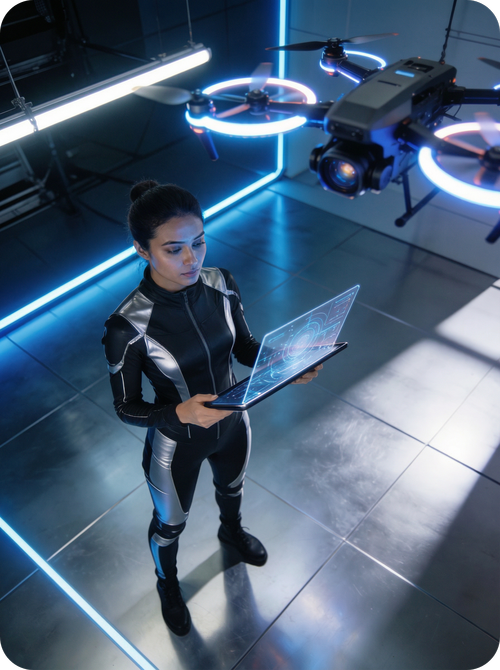
- Virtual Production Specialists: Replacing physical sets with LED “Volumes” and digital twins. This role allows filmmakers and actors to interact with 360-degree digital environments in real-time, drastically reducing the need for costly location shoots.
- AI-Driven Audience Insights Analysts: Media is no longer a guessing game. These professionals use predictive AI to analyze global viewing habits, ensuring content is hyper-personalized and delivered exactly when and where the audience wants it.
- Ethical AI Content Moderators: As synthetic media and deepfakes proliferate, the industry needs “Truth Architects”—professionals who use technical skill and ethical judgment to verify media and protect public trust.